Photography in Development Communication
When I first picked up a camera, it had not crossed my mind that the skill would come in handy during my communication management work. I have since learned that photography, too, is a language that can be used to reach audiences more effectively.
You hear people say that a picture is worth a thousand words, and it is true.
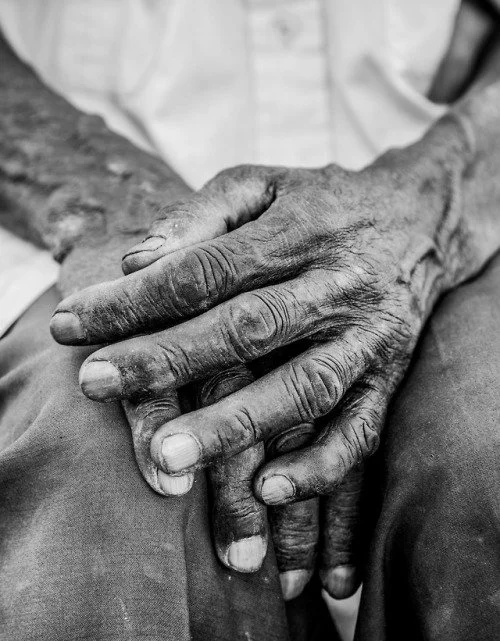
One of my favourite photo-subjects was Mzee Kalori, whom I met as I collated success stories for the now concluded USAID/Private Health Support Program, back in 2017.
His hands spoke of years of hard work. I could not help noticing the earth under his nails, a steady pulse evident in the building veins under his wrinkly skin, the thickness of experience in every finger and thumb. My eyes travelled from his hands to his face – every detail seemingly holding a story I wanted to know more of.
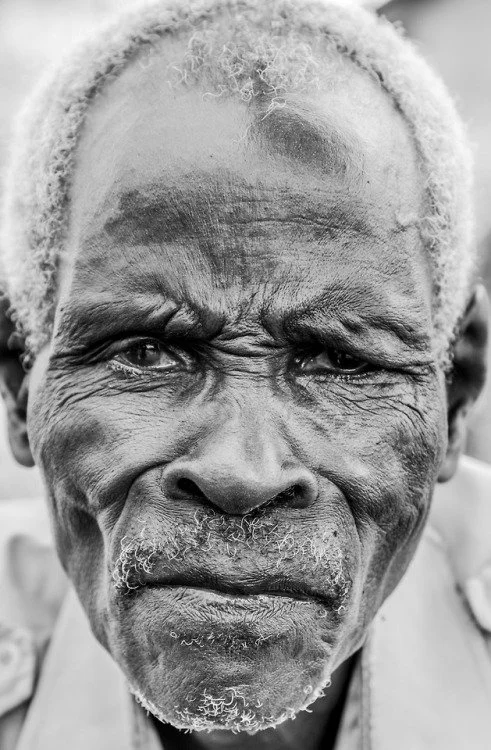
Mzee Kalori was one of the many beneficiaries of the USAID/Private Health Support Program which designed or partnered to deliver health solutions to people in hard-to-reach areas of Uganda. Mzee Kalori spoke of a “life-giving pill that kept him going” since his younger days, following a whole day’s walk to a hospital where he tested positive for HIV. With services being brought closer to him, it meant he no longer had to walk very long distances to access ARVs.
Photography as a storytelling tool in development communication brings programming to life. It puts a face to the important work that an organisation is doing and showcases real impact. Think of it as a communication tool that gives you the mileage you didn’t know you needed. I believe that this is more than just getting a couple of subjects to pause for a photo just to show-off the “saviour” work being done. Rather, I think of it an imperative aspect which invites people to partner with the work you are doing and an opportunity for funders to witness their gifts at work.
Images taken by Cynthia Ayeza for USAID, in Uganda, 2017.